
Buy Bulk Ammo Online and Lock In the Lowest Per-Round Prices
Bulk ammo online is the direct purchasing of large quantities of cartridges from digital retailers, delivered to your door. Shoppers select a caliber and quantity—often by the case or thousand rounds—then complete a simple checkout for shipment. The primary benefit is a lower cost per round compared to box-by-box purchases, alongside the convenience of having a steady supply. For best results, buyers should compare per-round prices across multiple sites and verify shipping fees before finalizing an order.
Why Buying Ammunition in Large Quantities Saves More Than Money
Buying bulk ammo online in large quantities saves more than money by securing logistical and practical advantages. The real gain is consistency: purchasing thousands of .17 HMR Ammo for Sale rounds from a single lot means identical powder charges, bullet weights, and case dimensions, which improves your zero and accuracy across sessions. You also eliminate the frustration of frequent restocking, saving time and fuel by avoiding repeat trips to the store. Bulk ammo online purchase protects against temporary shortages, ensuring your training schedule or match calendar never stalls. Large orders also reduce packaging waste and per-unit shipping cost, but the deeper value is uninterrupted practice and the peace of mind that comes from always having a reliable supply ready, not just a cheaper price tag.
How Per-Round Costs Drop When You Order by the Case
When you move from a single box to a full case, you’re not just getting more ammo—you’re slicing the per-round price in a very tangible way. Retailers price cases with a **bulk ammo online discount** baked in, often shaving 10–20% off the cost per cartridge compared to buying the same count as individual boxes. Shipping is the sneaky killer: a case ships once, in one heavy flat-rate box, so you pay freight on one package instead of five, which directly lowers what each round costs you. Case packaging also cuts handling time for the seller, and they pass that efficiency back to your wallet, not just their bottom line. It’s simple math—more rounds per order means the fixed costs spread thinner, and your cost per trigger pull drops noticeably without waiting for a sale.
Per-round costs plummet with case orders because you slash freight, seller handling, and packaging waste—making each cartridge measurably cheaper than box-by-box buying.
The Hidden Savings: Fewer Shipping Fees and Less Per-Box Markup
Ordering bulk ammo online exposes a quiet financial advantage: the per-box markup and shipping fees shrink dramatically when you buy by the case. Retailers price single boxes to absorb handling, packing, and individual shipment costs, but large-quantity orders spread those fixed expenses across far more rounds. You also sidestep the sting of repeated checkout fees—one flat shipping charge covers what would otherwise be five or ten separate deliveries. The markup on a single box often hides logistics overhead, while bulk pricing strips that away to reveal the true round cost. This isn’t just saving a few dollars; it’s eliminating the friction that quietly inflates every small order you place.
Fewer shipping fees and lower per-box markup mean bulk ammo online delivers hidden savings that compound with every case you buy.
What to Check Before Adding Thousands of Rounds to Your Cart
Before you click “add to cart” on thousands of rounds, stop and measure your actual storage space—humidity and heat in a garage or attic will ruin primers faster than you can shoot through a case. Verify your firearm’s caliber and twist rate match the bullet weight; a 55-grain load in a 1:7 twist barrel might keyhole, wasting 2,000 rounds of investment. Check the shipping weight and your doorstep’s theft risk—a 40-pound box sitting for hours is an invitation. Reliability beats price: read recent reviews for light-strike complaints and hard primers, not just the star rating. Finally, confirm the lot number is consistent, so your zero and velocity stay uniform across the whole batch. Q: Should I buy all from one lot? A: Yes—mixed lots cause point-of-impact shifts, turning a bulk deal into a range-day puzzle.
Matching the Exact Caliber and Grain Weight to Your Firearm
Before committing to bulk ammo online, verify the exact caliber and grain weight against your firearm’s specifications, not just the box label. A single digit difference—such as .223 Remington versus 5.56 NATO—can alter chamber pressure and affect reliability, so consult your owner’s manual for the verified grain weight (e.g., 55gr vs 62gr) that your barrel twist rate stabilizes. Mismatched grain weights may still fire, but accuracy and point-of-impact will shift drastically at distance, wasting your bulk purchase. For pistols, confirm the bullet weight matches your recoil spring’s tuning; a heavier grain can cause feed failures. Bulk ammo consistency depends on locking in both caliber and grain before checkout, as bulk orders are non-returnable once opened.
- Cross-reference the caliber stamp on the barrel with the ammo lot’s headstamp.
- Match grain weight to your barrel twist rate (e.g., 1:7 for heavier, 1:12 for lighter).
- Test a 20-round sample box before buying thousands to confirm function.
- Check your manual for pressure limits if your gun is rated for a specific caliber only.
Understanding Brass, Steel, and Aluminum Casings for Range vs. Defense
When stacking deep with bulk ammo online, your casing choice hinges on how you’ll actually shoot. For range days, steel and aluminum casings are your budget-friendly buddies—they’re cheaper, slightly less accurate, 5.56 Ammo for Sale and won’t matter if you’re just punching paper. But for defensive loads, stick with brass. It expands better under chamber pressure, feeds more reliably in tight clearances, and won’t leave stubborn carbon rings in your bore like steel can. Aluminum is fine for plinking, but it’s more prone to denting during mag reloads. Test a few boxes first; if your gun chokes on steel, don’t buy a case of it for defense.
Brass for defense, steel or aluminum for range practice—match the casing to the Ammo Cans & Storage for Sale job, not just the price.

How to Gauge a Seller’s Reliability Without Firing a Single Shot
To gauge a seller’s reliability when buying bulk ammo online, start by scrutinizing their customer review patterns across independent platforms, not just their own site. Look for repeated mentions of shipping speed and packaging integrity; a seller who consistently ships heavy cases with proper padding and no dented boxes is likely handling inventory correctly. Cross-check their stated lot numbers and headstamp details against user photos in forums—mismatched specifications are a red flag. Also, test their responsiveness to pre-sale questions; a direct, specific answer 7mm PRC Ammo for Sale about storage conditions or return policies signals operational competence. Verify if they clearly disclose backorder status before checkout, as silent delays on bulk orders often indicate poor inventory management. Finally, compare their advertised price per round across multiple calibers; wildly low pricing on one item only usually points to a bait-and-switch, not genuine bulk savings.
Reading Product Descriptions for Velocity, FPS, and Bullet Type
When you’re buying bulk ammo online, the product description is your best friend—skip it and you’re flying blind. Check the velocity and FPS rating to match your barrel length and intended use, since a hot load can change point-of-impact. Then, zoom in on the bullet type: full metal jacket for range plinking, hollow points for expansion, or soft points for hunting. A reliable seller lists these numbers clearly, not buried in fine print. If the specs are vague or missing, that’s a red flag—move on to a listing that gives you the exact data you need to feel confident in your purchase.
Velocity, FPS, and bullet type in the description reveal the 7.62×39 Ammo for Sale ammo’s true behavior—trust sellers who spell them out clearly.

Using Customer Photos and Verified Reviews to Spot Quality Issues
When buying bulk ammo online, scroll past the retailer’s marketing images and dive into the customer photo section. Look for close-ups of case rims, primer seating, and cartridge overall length—these often reveal inconsistent crimps or bulged cases before you commit. Pair that with verified review patterns; if multiple buyers post photos of 5.7x28mm Ammo for Sale split necks or failure-to-feed issues across different lots, treat that as a systemic defect rather than a one-off. Conversely, photos showing uniform sealant and clean stamping, coupled with reviews praising consistent accuracy over thousands of rounds, signal a reliable production run. Filter reviews by “most recent” and “verified purchase only” to avoid shill posts.
Customer photos expose physical defects, while verified review trends confirm whether those defects are widespread—together, they let you spot quality issues in bulk ammo before purchase.
Smart Ways to Compare Price per Round Across Multiple Sites
When you’re staring at a wall of bulk ammo online, the sticker price is a trap—the real math lives in the per-round cost after shipping and taxes. I learned this the hard way after grabbing a “cheap” case, only to realize the freight fee quietly jacked each cartridge up by four cents. Now, I build a simple spreadsheet with three columns: listed price, shipping, and estimated tax. Then I divide the total by the round count in *that specific listing*, because bulk deals often come in odd counts like 500 or 1,020, not clean 1,000s. A site showing $0.42 per round might beat a $0.38 per round offer once you add the flat-rate box fee. I also check if the seller tiers shipping by weight—sometimes splitting an order into two smaller boxes saves more than a single heavy crate. Comparing price per round only matters after you’ve normalized for delivery costs—otherwise, you’re just guessing.
The cheapest per-round tag is often a decoy; the real winner is the total invoice divided by actual cartridges in 7.62x54R Ammo for Sale hand.
Stick to that formula, and you’ll stop overpaying for bulk every time.
Calculating Total Cost Including Shipping, Tax, and Handling Fees
When comparing bulk ammo online, the sticker price per round is meaningless without factoring delivery costs. Calculate total cost by adding the product subtotal, applicable sales tax (based on your shipping state), and any handling fees—which some sites charge per order, not per box. Divide this grand total by the total number of rounds, not the advertised case count, to get your true cost. Be aware that heavier calibers like .308 or 9mm can shift shipping tiers significantly, so a cheaper per-round price on a light load may lose to a heavier but higher-priced competitor once freight is included. Always input your ZIP code during checkout to reveal final fees before committing, as some retailers hide handling charges until the last step.
True cost per round equals total price (ammo + shipping + tax + handling) divided by rounds received—never compare specialty sports & supply base prices alone.
Using Bulk Calculators to Find the Sweet Spot Between 500 and 5,000 Rounds
Bulk calculators let you model price-per-round across order sizes between 500 and 5,000, revealing where per-unit savings plateau. Input shipping, tax, and case discounts to compare 500, 1,000, 2,500, and 5,000-round totals side by side. The sweet spot for bulk ammo online often appears at 1,000–2,000 rounds, where cost-per-round drops sharply but before you absorb storage costs or capital lockup. Follow this sequence:
- Enter the base price per case from each site.
- Add flat-rate or free-shipping thresholds to your calculator.
- Divide total cost by round count for each tier.
- Identify the quantity where marginal savings per 500 rounds drop below 1–2 cents.
Stop there—buying past that point ties up money without meaningful per-round gains, making your calculator the arbiter of value.
How to Store Large Ammunition Orders So They Last for Years
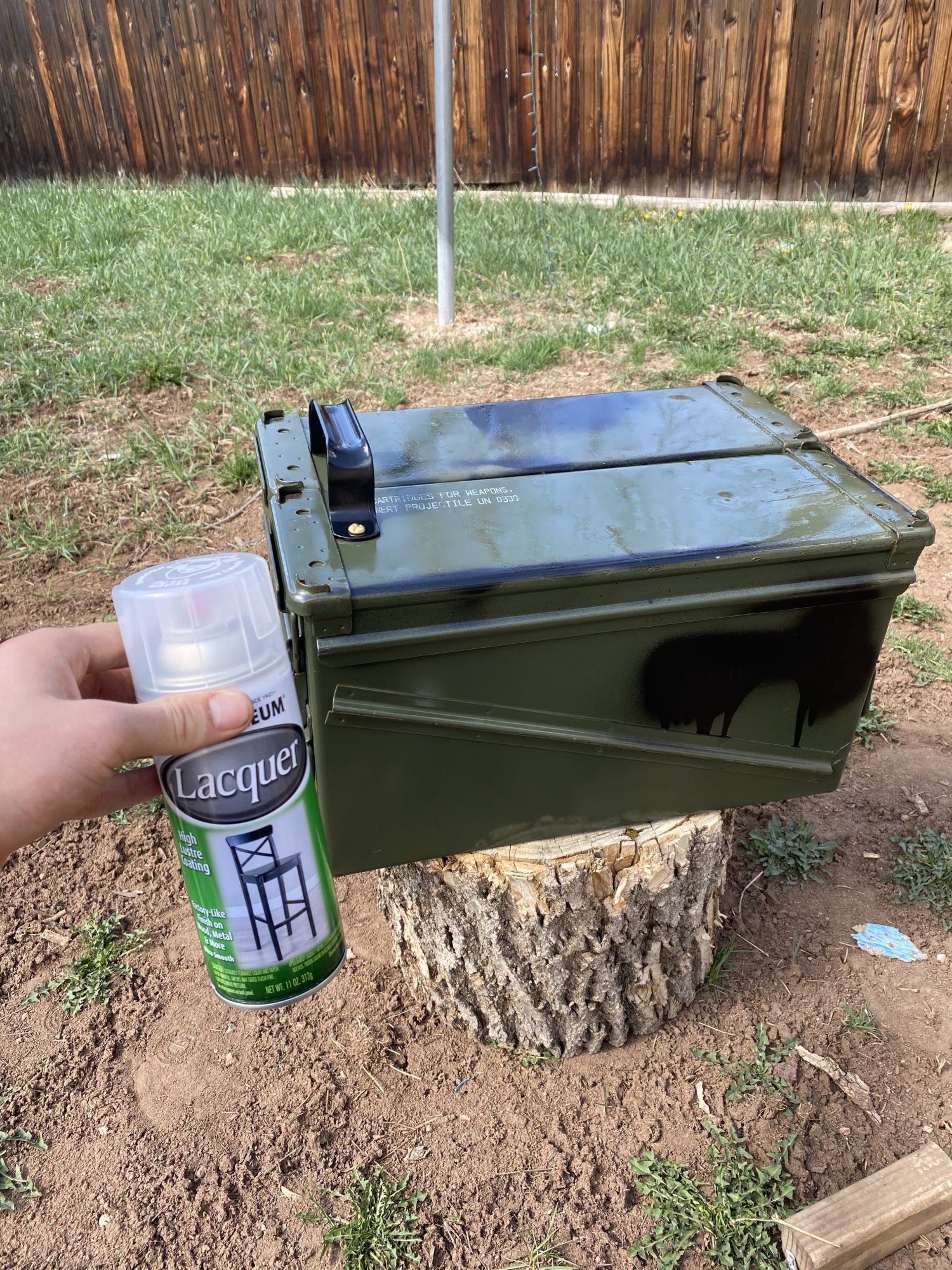
When you buy bulk ammo online, proper storage determines whether your investment survives decades or corrodes into scrap. Immediately transfer rounds from factory packaging into airtight, military-grade ammo cans with rubber gaskets. Add desiccant packs to every container, replacing them annually. Store large ammunition orders in a cool, dark, and consistently dry environment—ideally between 55°F and 70°F with under 40% humidity. Never let brass cases touch concrete floors, as moisture wicks through and causes green corrosion. Rotate your stock by date, using older lots first while sealing newer boxes with silica gel in vacuum-sealed mylar bags. Avoid attics or garages with temperature swings, which cause condensation inside sealed cans. For long-term preservation, wipe down sealed cans quarterly and check for rust spots. With this disciplined routine, your bulk ammo online purchase will fire reliably for decades.

Controlling Humidity and Temperature in Ammo Cans and Safes

When you buy in bulk, those sealed military-style cans are great, but they aren’t climate-controlled bunkers. Toss in a reusable desiccant canister that you can re-charge in the oven, and check it every few months—if the indicator beads shift color, it’s time to bake it dry. For a larger safe, a low-wattage dehumidifier rod works wonders, especially if it’s in a garage or basement. Keep everything off concrete floors, as they wick moisture straight into your stash. Temperature swings are the real enemy—they cause condensation inside the can, which is worse than a steady, mild warmth. Aim for a stable range between 60–70°F if you can manage it, and avoid storing near exterior walls that get cold. Long-term ammo preservation depends on this simple routine, not luck.
- Use rechargeable silica gel canisters in each sealed ammo can, not loose packets.
- Add a goldenrod-style dehumidifier for safes over 10 cubic feet.
- Place a digital hygrometer inside to monitor humidity—keep it under 35%.
- Elevate cans on wood pallets or shelves, never direct concrete.
Rotating Your Stock: Using Oldest Rounds First to Avoid Duds
When your bulk ammo online purchase arrives, resist the urge to simply stack the boxes and forget them. Immediately organize your stockpile so the oldest rounds, whether from previous orders or the rearmost boxes in this shipment, are positioned on top or in front for your next range session. Rotating your stock using oldest rounds first to avoid duds requires a consistent “first in, first out” (FIFO) habit, ideally logging purchase dates on the packaging with a permanent marker. This ensures propellant and primers—which can degrade over years—are fired while still at peak performance, preventing the frustration of misfires from aged ammunition that sat too long. Consistent FIFO rotation is the cornerstone of long-term bulk ammunition reliability.
Always reach for the oldest boxes first, marking dates and turning over inventory religiously, so no round in your bulk cache ever becomes a useless dud.
What First-Time Bulk Buyers Often Overlook When Ordering Online
First-time bulk ammo buyers often overlook that shipping weight drastically changes the final cost, so that “deal” per round can vanish by 7.62×51 Ammo for Sale checkout. They also forget to check if the vendor splits orders into multiple boxes to avoid heavy-package surcharges, which can double the freight bill. Always calculate the per-round price after shipping before committing, not just the sticker price. Another common miss is ignoring the difference between sealed factory cases and loose-packed ammo; loose rounds can get banged up in transit, affecting reliability in finicky firearms. It’s smart to order a single box from a new seller first, even if you’re buying in bulk, to test how they pack and handle your ammo. Finally, don’t assume your usual caliber is in stock just because the site lists it—first-timers often wait weeks for backorders without noticing the “on backorder” tag. Check the lead time before you pay.
How to Handle Backorders and Pre-Orders Without Losing Your Deposit
When a bulk ammo listing shows backorder or pre-order status, protect your deposit by first confirming whether the site charges your card immediately or only upon shipment. Always read the cancellation policy before paying, since some retailers convert deposits to store credit, not cash refunds. Request written confirmation of the estimated restock date and ask if delays extend your price lock. If the supplier cannot .17 WSM Ammo for Sale guarantee a firm timeline, consider splitting your order—deposit only half and pay the balance when inventory lands. Never submit a deposit without checking the merchant’s historical fulfillment reliability through recent buyer reviews.
To avoid losing your deposit on bulk ammo, verify immediate vs. shipment billing, document the restock timeline, and only place deposits with sellers offering clear refund or transfer terms.
Verifying Your Shipping Address and Delivery Signature Requirements
When ordering bulk ammo online, verifying your shipping address is critical because carriers will not redirect or hold ammunition shipments without prior consent. Confirm the address on file with your bank matches the delivery location, as mismatches trigger order holds. For delivery signatures, know that most bulk ammo carriers require an adult (21+) signature, and some use indirect signature—meaning the driver can leave it with a neighbor or front desk. If you won’t be home, provide a delivery waiver in advance. In practice, follow this sequence:
- Check the carrier’s signature policy for your specific order (direct vs. indirect).
- Choose a ship-to address where someone over 21 is present during the delivery window.
- Add delivery notes, like “leave at rear door after ID check,” only if the carrier permits it.
Failure to meet signature rules results in a returned package and restocking fees, so pre-authorize an in-person pickup at the carrier facility if your schedule is uncertain.