

Mastering casino strategies Essential tips and tricks for success Understanding the Basics of Casino Games…
The evolution of gambling tracing its historical roots and cultural significance
The evolution of gambling tracing its historical roots and cultural significance
Historical Origins of Gambling
The roots of gambling can be traced back to ancient civilizations, where games of chance were woven into the fabric of society. Archaeological discoveries reveal that the earliest forms of gambling appeared in Mesopotamia around 3000 BC, where dice made from materials like bones were used in games that involved risk and reward. This early enthusiasm for games of chance spread through various cultures, influencing social practices and communal interactions. Among the many options available today, CrazyTower United Kingdom stands out for its innovative approach to online gaming.
In Ancient Rome and Greece, gambling became more structured, with specific rules and widespread participation. The Romans enjoyed betting on gladiatorial contests, and the Greeks played games like “kubeia,” which involved betting with dice. This shift marked a transformation from informal betting to organized gambling, highlighting its growing significance in cultural and social arenas.
Cultural Significance Across Societies
As gambling evolved, it took on various meanings across different cultures. In many societies, gambling was not merely an activity but a cultural ritual, often linked to religious practices. In China, for instance, the game of chance known as “Keno” was utilized as a means to raise funds for the government, showcasing how gambling could intertwine with civic responsibilities.
Moreover, in Indigenous cultures, gambling often served as a means of resolving disputes or creating social bonds. Games were frequently used during communal gatherings, reinforcing connections among participants and emphasizing the communal aspect of chance-based activities.
The Transformation Through the Ages
The Middle Ages witnessed a temporary decline in gambling due to various social and religious restrictions. However, this period also saw the emergence of playing cards, which would go on to revolutionize gambling activities. By the late 15th century, card games became prevalent across Europe, leading to the establishment of various gaming houses.
The 18th and 19th centuries marked a significant turning point as gambling became more regulated. The establishment of casinos in places like Monte Carlo introduced a new level of glamour and sophistication to gambling. This shift solidified gambling’s place in entertainment, appealing to the affluent class while still attracting a diverse crowd.
The Modern Era and Technological Advancements
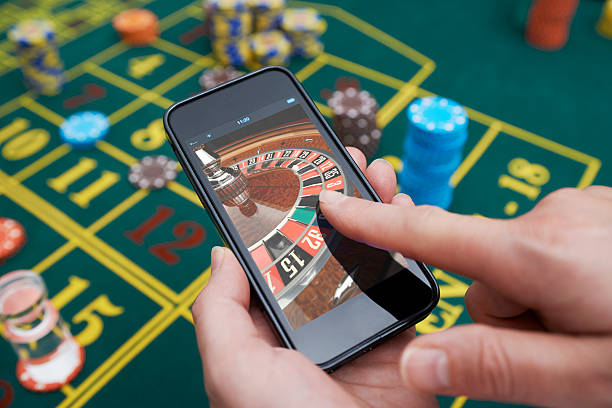
The late 20th and early 21st centuries have seen gambling evolve dramatically due to technological advancements. The introduction of online casinos and sports betting apps has reshaped how individuals engage with gambling. These innovations have made gambling more accessible, allowing players to participate from the comfort of their homes and creating a global community of gamblers.
Moreover, the rise of cryptocurrency has further transformed the landscape, enabling secure transactions and anonymity for players. This modernization reflects a broader societal acceptance of gambling as a legitimate form of entertainment, influencing legislation and prompting many jurisdictions to adapt to new trends.
Exploring Online Gaming Platforms
The advent of online casinos, like CrazyTower Casino, represents a significant milestone in the evolution of gambling. These platforms offer a diverse array of games, from slots to live dealer options, catering to various preferences and enhancing the gaming experience. With features like generous welcome bonuses and user-friendly interfaces, they have made it easier than ever for new players to engage with the world of gambling.
Furthermore, the focus on security, fast payment methods, and 24/7 customer support ensures that players enjoy a reliable and enjoyable experience. As online gambling continues to expand, it reflects the evolving cultural significance of gambling in society, highlighting its role as both a leisure activity and a potential source of income for many.

This Post Has 0 Comments